
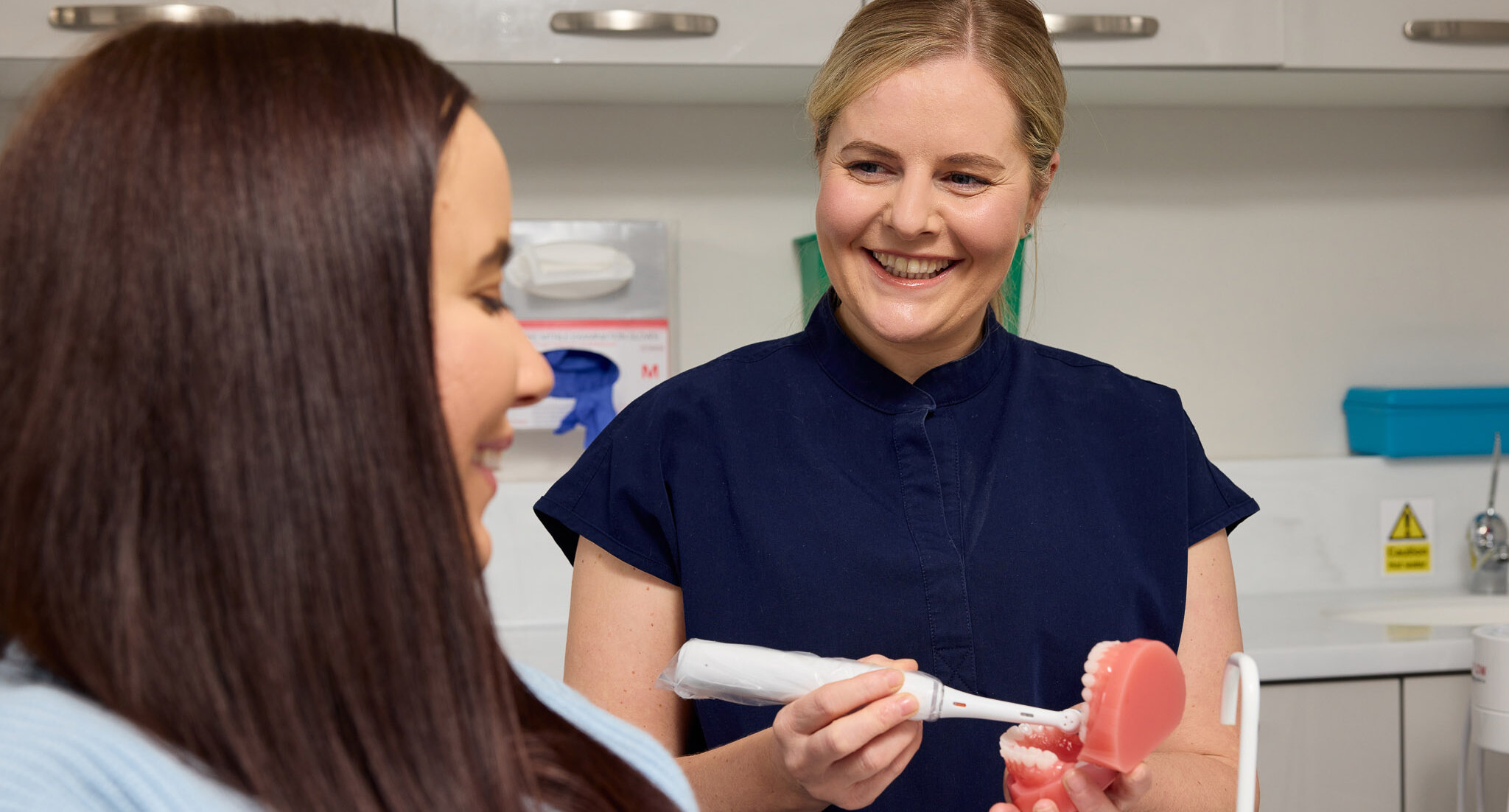
Hygienist Scale and Polish: What to Expect (and Why It’s So Important)
A hygienist scale and polish is one of the most effective ways to keep your teeth and gums healthy.
While a routine dental examination focuses on diagnosing problems, a scale and polish appointment is all aboutprevention and maintenance . It removes harmful plaque and tartar, freshens your breath, and helps keep your smile looking its best.
If you’re wondering what happens during a hygienist appointment or whether a scale and polish is worth it, here’s everything you need to know.
What Happens During a Hygienist Scale and Polish?
1. Oral Health Review
Your hygienist will ask about your brushing and flossing routine and check for issues like bleeding gums, bad breath, or sensitivity.
2. Scaling (Plaque and Tartar Removal)
Specialised tools are used to remove plaque and hardened tartar that brushing alone can’t remove, helping prevent gum disease and decay.
3. Cleaning Below the Gumline
Areas around and just below the gumline are gently cleaned to remove hidden bacteria and support healthy gums.
4. Polishing
Your teeth are polished to remove surface stains and leave them smooth, clean, and brighter.
5. Oral Care Advice
You’ll receive personalised tips and product recommendations to help maintain your oral health between visits.

Frequently Asked Questions About Scale and Polish Appointments
Does a scale and polish hurt?
Most patients find a scale and polish comfortable. You may feel mild sensitivity, especially if there is a lot of tartar buildup or if your gums are inflamed, but it should not be painful.
How long does a scale and polish take?
A standard hygienist appointment usually lasts 30 – 45 minutes, depending on the level of plaque and tartar buildup.
How often should I have a scale and polish?
Most people benefit from a scale and polish every 6 months, though patients with gum disease or heavy tartar buildup may need more frequent visits.Your hygienist will advise you on how often you should attend.
What’s the difference between a scale and polish and a deep clean?
A scale and polish focuses on routine maintenance and prevention. A deep clean (sometimes called periodontal treatment) is more intensive and is used when gum disease is present, cleaning deeper below the gumline.
Will my gums bleed after a scale and polish?
Some mild bleeding is normal, especially if your gums are inflamed. This usually improves as your gums become healthier with regular cleanings and good oral hygiene.
Can I eat after a scale and polish?
Yes, you can eat normally after your appointment. If your teeth feel sensitive, you may prefer to avoid very hot, cold, or acidic foods for a few hours.
Does a scale and polish whiten teeth?
A scale and polish does not whiten teeth, but it removes surface stains , which often makes teeth appear brighter and cleaner. At Boroughbridge Dental Centre, we recommend a combined treatment of a hygienist scale and polish followed by teeth whitening treatment for the best results when it comes to teeth whitening.
Is a scale and polish safe during pregnancy?
Yes, routine dental cleanings are safe and recommended during pregnancy, as hormonal changes can increase the risk of gum disease.
Final Thought
A hygienist scale and polish is one of the simplest and most effective ways to protect your oral health. When combined with good daily brushing and flossing, it helps keep your smile healthy, fresh, and confident.
If it’s been a while since your last clean, book a hygienist appointment today and take the first step towards a healthier smile.