
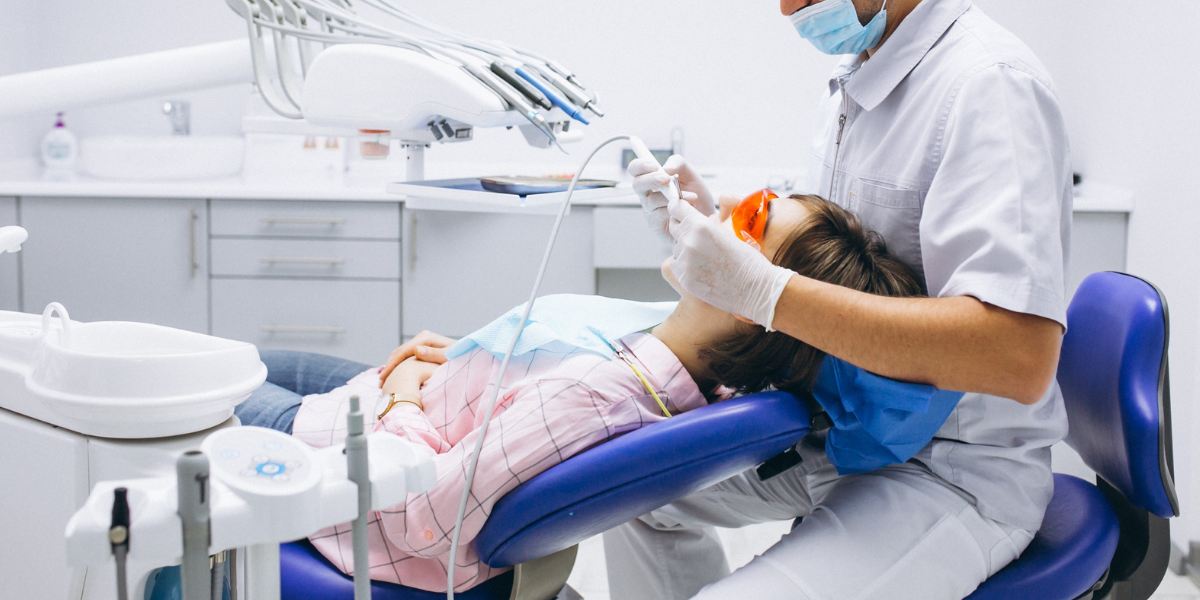
What to Expect Following a Tooth Extraction
Having a tooth extraction can feel daunting, but knowing what to expect afterwards can make the recovery process much easier. Most people recover well following a tooth extraction, although it is normal to experience some soreness, swelling and sensitivity for a few days.
Here’s what you can expect following your tooth extraction and some simple tips to help your recovery.
Immediately after your tooth extraction
Once your tooth has been removed, your dentist will usually place gauze over the extraction site and ask you to bite down gently. This helps control any bleeding and allows a blood clot to form.
The blood clot is an important part of the healing process, as it protects the area while your gum begins to repair itself.
It is normal to notice a little bleeding or oozing during the first few hours. Follow the instructions given to you by your dentist and avoid repeatedly checking or disturbing the extraction site.
Pain and discomfort
As the local anaesthetic wears off, you may experience some soreness around the extraction site. This is usually manageable with the pain relief recommended by your dentist.
Your mouth may also feel tender when eating or brushing around the area. This should gradually improve over the following days.
If your pain becomes significantly worse rather than better, or you develop increasing swelling, contact your dentist for advice.
Swelling after a tooth extraction
Some swelling is completely normal following a tooth extraction. It can be more noticeable after certain extractions, particularly surgical or wisdom tooth extractions.
Swelling often increases during the first couple of days before gradually settling. Keeping your head slightly elevated when resting and using a cold compress on the outside of your cheek can help make you more comfortable.
Eating after a tooth extraction
For the first few hours, it is best to avoid eating until the numbness has worn off. This helps prevent accidentally biting your cheek, lip or tongue.
When you are ready to eat, choose softer foods and try to chew on the opposite side of your mouth. As the area heals and feels more comfortable, you can gradually return to your usual diet.
Avoid very hot food and drinks while your mouth is still numb.
Looking after the extraction site
Keeping your mouth clean is important, but you need to be gentle around the extraction site.
Avoid vigorous rinsing or spitting during the first 24 hours, as this can disturb the blood clot. After this time, your dentist may recommend gentle salt-water rinses to help keep the area clean.
Continue brushing your other teeth as normal, taking care not to brush directly over the extraction site.
What should you avoid after a tooth extraction?
To give your mouth the best chance to heal, you should avoid:
- Smoking or vaping, as this can interfere with healing and increase the risk of complications.
- Alcohol during the early stages of healing.
- Strenuous exercise for the period recommended by your dentist.
- Touching the extraction site with your fingers or tongue.
- Vigorous rinsing or spitting, particularly during the first 24 hours.
Your dentist will give you specific aftercare instructions based on your extraction and individual circumstances.
How long does it take to recover from a tooth extraction?
Everyone heals at a slightly different rate. The initial soreness and swelling should gradually improve over the first few days.
The gum will continue to heal over the following weeks, while the area underneath takes longer to fully heal. Your dentist can give you a better idea of what to expect depending on the tooth that has been removed and the type of extraction you have had.
When should I contact my dentist?
Most tooth extractions heal without problems, but you should contact your dentist if you experience:
- Severe or worsening pain
- Increasing swelling
- Persistent or heavy bleeding
- A high temperature or feeling unwell
- An unpleasant taste or discharge from the extraction site
- Any other symptoms that concern you
If you are worried about your symptoms following a tooth extraction, it is always better to contact your dental practice for advice.
Need urgent dental care?
If you have severe dental pain, swelling or another dental problem that needs urgent attention, our emergency dentist may be able to help.

If you need help after a dental emergency, contact Boroughbridge Dental Centre. Our team is here to support you.